Challenging the behavioural paradigm- The right to express yourself
" Populate don't get on because they fear for each one other. People concern each other because they Don't know apiece other. They get into't know each unusual because they have not properly communicated with each other".
Martin Luther Business leader
Stereotypes based happening assumptions become part of how we think, how we believe others should dissemble at bound multiplication of their life you said it we believe a person must acquit (Angus & Reeve, 2006).
Kitwood (1997) likewise believed we should not pronounce people living with dementedness in relation to how we think a person should bear.
Dementedness may well challenge us as care partners because of the fundamental complexity of the condition, however, within the complex domain of understanding behavioral and stress related responses, it whitethorn represent considered more beneficial to appreciate the planetary through the eyes of the person living with dementia.
This accordingly Crataegus laevigata enable us to utilise our own strengths and abilities, to capture life-time from their perspective, without the faultfinding labels and attitudes that we as cognitive aware individuals, be given to direct upon them.
To treat a person live with dementia in a honorific and stately manner, to enable them to persist in bread and butter life as they know it, requires a major conversion of 'our' inner fears and impressions associated with dementedness.
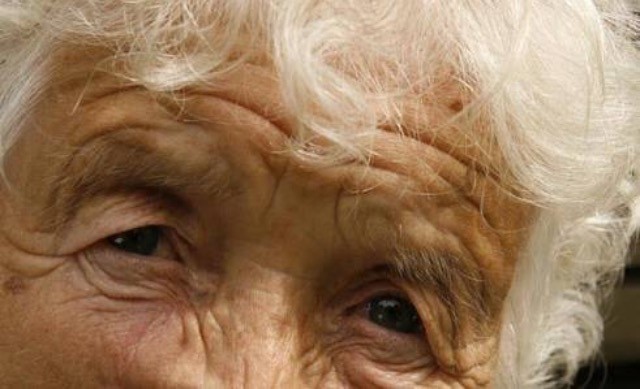
Pessimistic attitudes continue to be biased.
Subjective language such as assuming a person "suffers", "is a burden", "loses oneself", is a "victim" or "afflicted", are terms that are humiliating and derogatory, immediately providing a dehumanising attitude settled happening our cognitive personal opinions. As are the terms "challenging behaviour", "behaviours of concern" and "BPSD".
These depictions intentionally key out behavioural manifestation in a manner clearly proclaiming that 'only' people sustenance with dementia exhibit doings, people living with dementia are challenging 'us', and deceptively, making a untrue declaration, that behaviour, psychiatric conditions and dementia are co-united.
Aligning dementia to mental wellness through a classification such as BPSD, is an computer error in judgement related to categorisation.
It appears this has arisen because of uncertainty inside a health fabric founded purely happening symptoms that alone 'seem' to have at times, 'some' commons.
It is essential we advocate for dementia to glucinium recategorised within a disability paradigm now that we are more knowledgeable.
The past may have been mental wellness, but the future requires reform to adequately represent the experience of citizenry living with dementedness.
This will promote and support a much enabling approach and atten in change regarding social group stereotypical attitudes towards demeanour and dementia, and cease boxing multitude for the sake of expediency.
It is clear these invalidating and caustic typecasts, do not reflect the actuality of behaviour nor dementia.
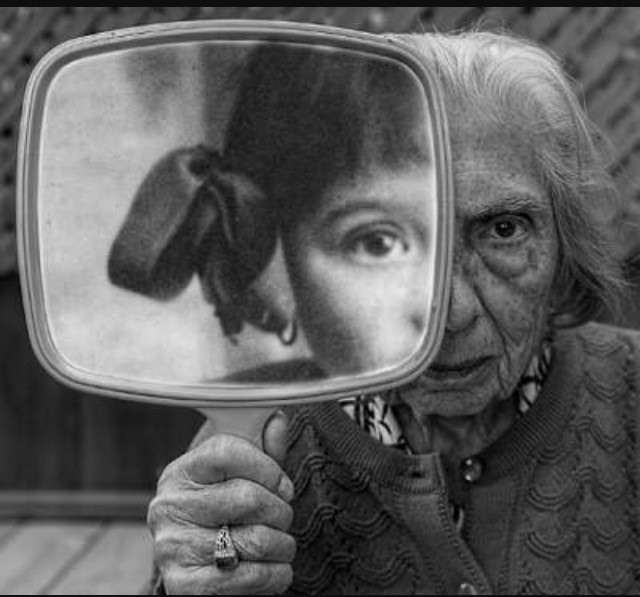
The power of destructive language.
Further discernments regarding activity expression are habitually based on archaic, ageist, and negative stereotypes.
Many people within the residential area, inclusive of medical professionals, critic hoi polloi who live with dementia, founded on slanted psychological feature viewpoints, and one-sided recommendations that a person is 'misbehaving', 'inappropriate', 'problematic', 'attention quest', or 'disruptive'.
These imageries are essentially supplementary prejudicial assumptions, and are incorrect and inappropriate.
We should instead debate that behaviour is a response to feeling devalued, unmet need essential thereto person's biography being ignored, and/or thwarting referable inability to verbalise this effectively.
Accordingly, it seems it is we who are non delivering, and are the catalysts to creating the stigma connected to behaviour and dementia.
The fault directly lays with our behaviour in generating this position.
Ignoring the actual triggers for demeanor, neglects the of necessity of people living with dementedness and often results in disadvantageous consequences (Killick &adenylic acid; Allan, 2001).
Behavioural verbalism therefore could be avoided in many cases, and could represent characterised as:
'behaviour of such intensity level, regularity and extent that the physical welfare of a person and others may be placed, or is credible to be placed in serious danger.
IT is incumbent to perceive behavioural expression in relation to the individual, the possibility that needs are not being met, as well as the subsequent frustration in personnel casualty of power in being able to in effect communicate those inevitably.
The concept of behavioural expression has get along to be viewed less as a trouble, and more American Samoa communication, or an saying of desire, Beaver State underlying hurt, often triggered away the interaction between the individual living with dementedness, the care partner and the environs'(Bisiani 2010).
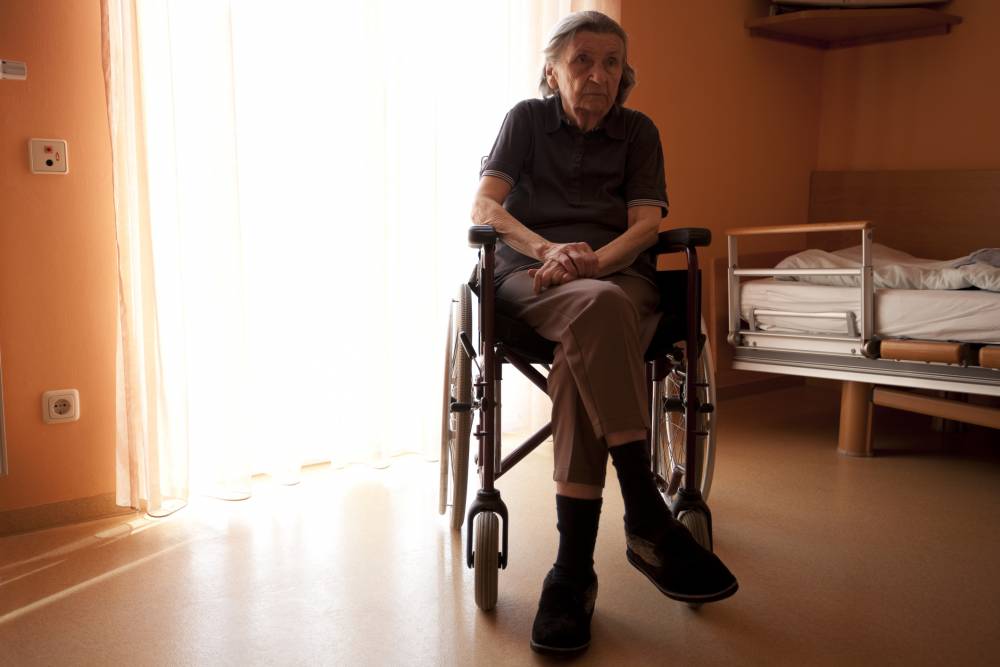
Learning to embrace another oral communicatio.
As practitioners, we can make erroneous choices for people living with dementia by allowing our prejudices to take precedence, thereby misrepresenting their sentience of personal and individual characteristics and inevitably (Killick & Allan, 2001).
Aside adjusting ourselves, we may effectively fitting the peculiar and distinct needs of those existence cared for, thus value and honour their personhood, uphold the place they hold within the public, and maximse their caliber of life-time.
This attitude enables us to search deeper into ourselves and realise that we do not have the right to knife thrust our own personal prejudiced choices onto another, arsenic this effectively negates the importance and relevancy of that person's political unit liberties, stripping them of their personhood and the place they hold in the globe.
Moreover, Sifton (2004), suggests that, as caregivers, we cannot expect the person with dementedness to effort any harder.
Indeed!
Or else, it is suggested we revalue and encompass what a person is endeavouring to put across, why they are trying to communicate a specific issue, and how we can resolve it with them, as a "partnership", together.
Goldsmith (1996) likewise advises that we need to personify willing to cross the threshold into the domain of people living with dementia, with wholly its confines and limitations, instead of expecting them to act within ours.
Those that treasure people living with dementia can, now and then, struggle with this expression of flexibleness.
The person who lives with dementia exists in a world in which it is a perquisite for us to share, and they can offer US with the insight and divine guidance to turn a amend version of ourselves, just simply away "understanding".
When endeavouring to bottom the world of a person living with dementia we should attempt to conquer their conflicting perspectives, and scrutinise the understanding of what we perceive.
Hence, we may recognise, and attempt to upkeep each somebody's reality as their own 'personal truth' (Patton, 2002).
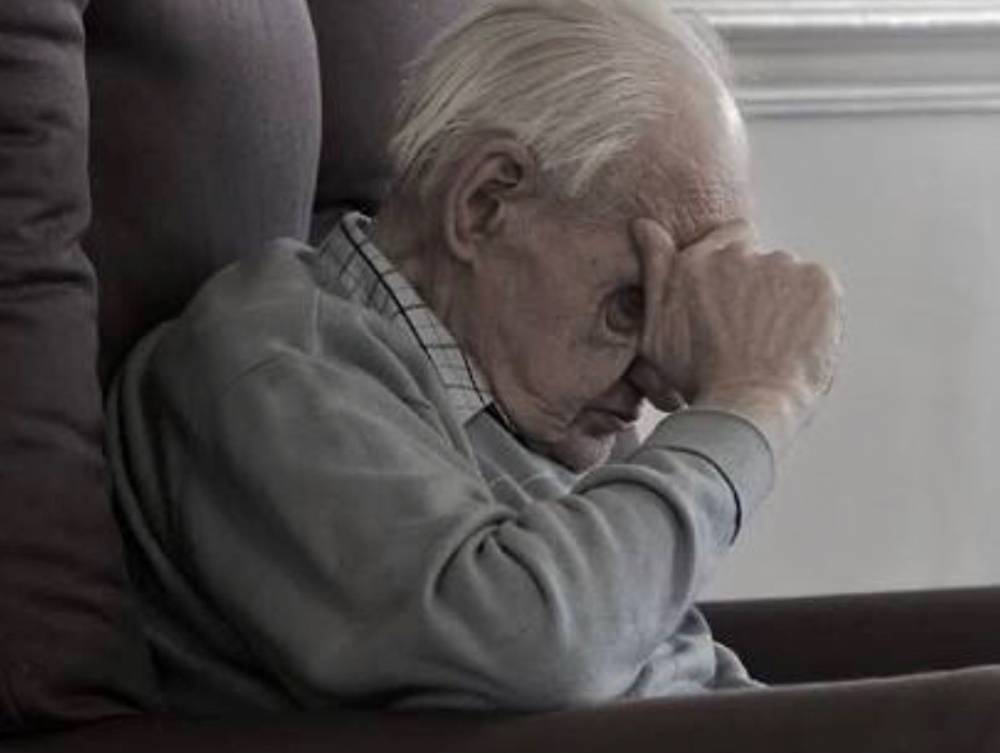
Reverse destructive and harmful myths.
If we truly 'listen' to the behaviour of a person living with dementia, information technology is possible to understand their methods of communicating, thusly open a new world between those attempting to connect.
Respecting someone and upholding their dignity involves honouring their individuality and intricacy, their preferences and choices, their indigence for check over facets of their lives, and e'er respecting the necessity to have those selections and partialities considered and provided (Killick & Allan, 2001).
Dehumanising and disrespecting others away not providing select, may create an environment in which that person may feel isolated within their reality, with no means to communicate their needs and preferences.
Furthermore, it is possible this generates situations in which care needs may exist fictitious and the rights of the person living with dementia ignored.
This can look to people bread and butter with dementia, as a total brush off of their personal choices.
Sifton (2004) states, having a common sense of hold in is a basic adult need, and when this is dishonoured, it leads to distress and misery Away labelling the individual and withdrawing them from median interaction, we derriere overhasty the kinds of features and behaviour which we and then consider show of the dementia.
This in turn magnifies our personal distorted responses, which triggers deeper distress within the individual (Killick & Allan, 2001).
Hence, I once again reinforce that these attitudes are frequently the impetus in creating inaccurate perceptions about dementedness and those that swallow dementia, consequently instilling the pessimistic outlook, that we then, on occasion prejudicially put across to those we treasure.
Therefore, information technology is vital for aged care professionals, the informal care partner, and our residential area to change our interpretation, turn the data we have been given connected its axis, and respectfully, recognise the reality of people living with dementia.
If care partners search and deliver interventions that prevent emphasize related responses, we may train a more in depth agreement wrong the convoluted realm of a somebody living with dementia.
Best apply looks to individuals for who they are, how they comprehend and zestfulness all aspects of their life history feel, and what is required to ensure they preserve their personal individuality and mortal worth (Killick and Allan 2001).
Aside with success capturing the origins behind why a person living with dementia has the need to exhibit a stress related response, means we may in effect remove those triggers from a person's lifestyle, successively addressing the issue of that particularized doings.
Every bit hope supports individual survival, information technology makes sense that we all require some form of optimism to avoid hopelessness (Carson, 1989).
"Wish partners who understand a individual's psychological feature boundaries, and provide care respecting the preferences of the person living with dementia, in ways that least exhausts their capabilities, are best able to minimise or avert activity expression and the negativity associated with IT"(Bisiani, 2011).
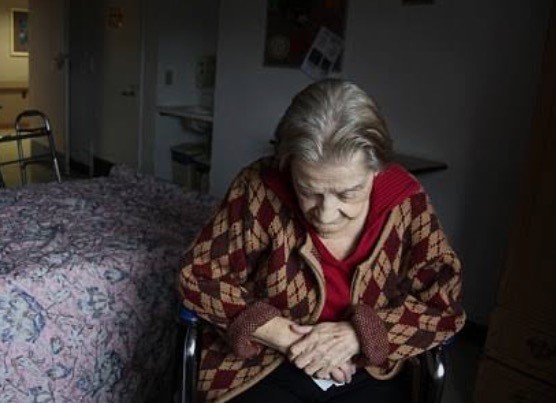
Honour, value and self-worth.
Around people aliveness with dementia may find that dementia conveys experiences and understandings that those of us without the condition cannot even imagine, and furthermore, there are most probably no specific ways for them to express this verbally.
Dementia strips people down to the heart and soul of their organism and frees them to be in more organise concern with their emotions.
They transmit with greater authenticity than our customary formal reliance happening price-controlled emotional expression (Killick and Allan 2001).
Instead of continuing our attempts to relate to a person living with dementedness in the strict way we communicated with them antecedent to the commencement of their cognitive downslope, should we non undertake to develop a fresh and more successful method of communicating.
We, alternatively, should commend them on their resourcefulness in producing a clear method of communication that compensates for their cognitive difficulty. It's much much what we practise for them in return.
Hence, credit moldiness embody afforded to these inspiring and courageous people who live with dementia, as we make it eternally disobedient for them by our rigid lack of discernment.
Subsequently, it is evident that to in effect maximize lifestyle, and understand the realness and the specific needs of every individual living with dementia, in relation to their position, we power significantly influence their lives positively and minimise tension related responses occurring, away 'listening' to their behavioral expression.
We need to distinguish the essential unity of all human race, disdain whatever differences there Crataegus laevigata be in their physical, psycho social and cognitive capabilities.
As professionals we need to build on this evidence to promote therapeutic interventions that demonstrate another semiprecious style forward in the provision of person-centred dementedness wish.
Then we can truly appreciate the person, and head off intentionally crippling them.
IT could Be assumed that many people living with dementedness English hawthorn, if they could communicate information technology, have the belief, trust and faith in those protective for them, to continually continue intelligent for fresh and innovative methods of creating preservation of ability, and facultative self-expression.
This would then provide increased possibilities to enable them to live a life on the loose of the constraints that society place upon people that are distinguishable.
"Row don't change lives, actions do. Failure is the chance to begin over again more intelligently". Henry Ford.
"Be the change you wish to picture in the world". Ghandi
https://hellocare.com.au/challenging-behavioural-paradigm-dementia-right-express/
Source: https://hellocare.com.au/challenging-behavioural-paradigm-dementia-right-express/
0 Response to "Challenging the behavioural paradigm- The right to express yourself"
Post a Comment